
Preparedness and collaboration were identified as key to the resilience and future growth of GCC tourism at Arabian Travel Market (ATM) 2026, where policymakers from the UAE, Bahrain, Uzbekistan, the European Commission and the United Nations examined the sector’s response to recent geopolitical challenges.
Tourism contributes more than 11% of GDP across Gulf countries, compared with a global average of around 10%, highlighting its importance to regional economies, according to H.E. Fatima Jaafar Al Sairafi, Minister of Tourism, Kingdom of Bahrain.
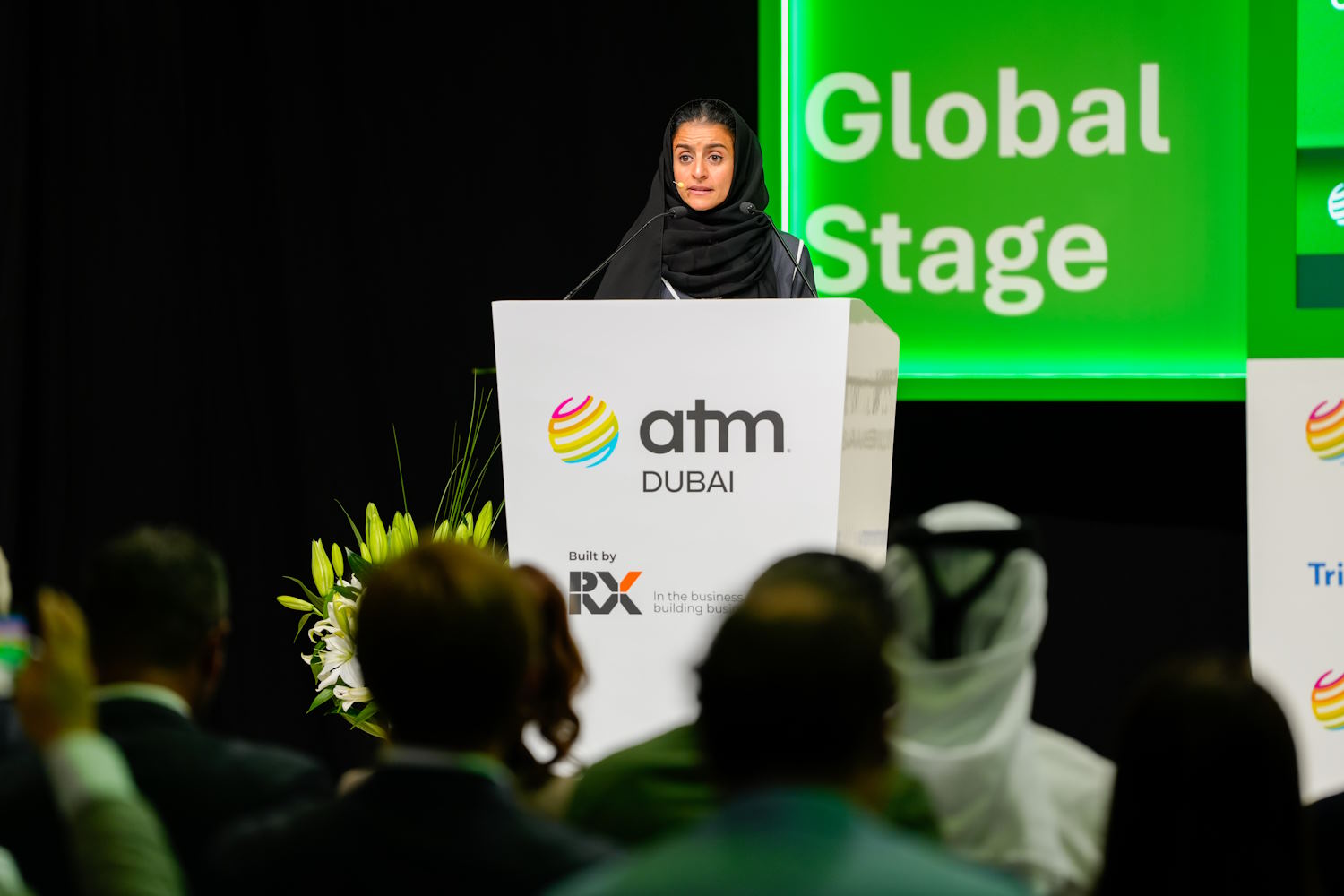
Opening the event’s Global Stage, H.E. Abdulla bin Touq Al Marri, UAE Cabinet Member and Minister, Economy and Tourism, pointed to the foundations built over the past 50 years as a factor in the UAE’s ability to respond to recent disruption. H.E. Shaikha Al Nuwais, Secretary-General of UN Tourism, meanwhile stressed the importance of preparing for crises before they occur, including building relationships, sharing information and establishing trust.
The two joined Al Sairafi, Apostolos Tzitzikostas, Commissioner for Sustainable Transport and Tourism at the European Commission, and Abdulaziz Akkulov, Chairman of the Tourism Committee of Uzbekistan, for a ministerial debate.
Tzitzikostas said the European Union viewed the UAE and Gulf countries as partners and allies, while noting that tourism numbers were showing signs of recovery. Akkulov highlighted Uzbekistan’s partnerships with Azerbaijan and UN Tourism and its efforts to develop the country as a regional hub for tourism collaboration.
The discussions highlighted the role of multilateral relationships and contingency planning in supporting tourism resilience, while also pointing to the sector’s wider economic importance across the Gulf.
Image caption: HE Shaikha Al Nuwais, Secretary General, UN Tourism